
That Noise Isn't Normal — Here's What Your Garage Door Is Telling You
You press the button on your garage door opener and instead of the smooth, quiet operation you're used to, you hear something unsettling. Maybe it's a loud grinding sound. Maybe it's a high-pitched squeal or a rhythmic banging that makes your neighbors look over. Whatever the noise, your garage door is trying to tell you something — and ignoring it usually leads to bigger, more expensive problems down the road.
As a homeowner in Tullahoma, your garage door is one of the most-used mechanical systems in your home. The average garage door opens and closes roughly 1,500 times per year. With that kind of use, wear and tear is inevitable. But not every noise means disaster. Let's break down the most common garage door sounds, what causes them, and what you should do about each one.
Grinding or Scraping Sounds
A grinding noise when your garage door opens or closes is one of the most common complaints we hear from homeowners. This sound typically points to one of a few issues:
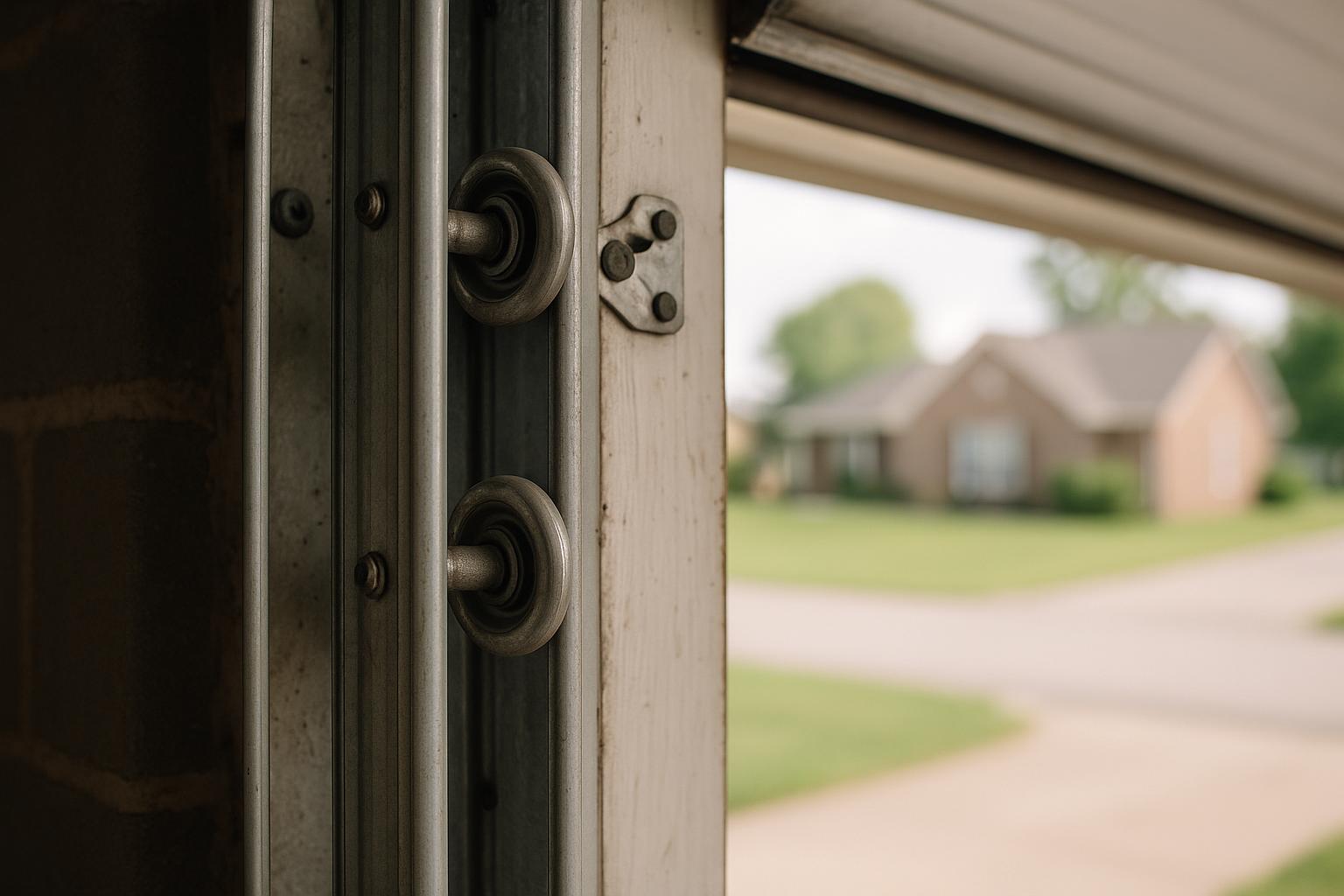
- Worn rollers: Metal rollers can wear down over time, especially if they haven't been lubricated regularly. As the metal deteriorates, the rollers grind against the track instead of gliding smoothly.
- Misaligned tracks: If your garage door tracks have shifted or become bent, the door will scrape against them as it moves. This not only creates noise but can also cause the door to get stuck or come off the track entirely.
- Opener gear issues: Inside your garage door opener, there are gears that can strip or wear down. A grinding sound coming from the opener unit itself often means the main drive gear needs to be replaced.
If you're hearing grinding, start by visually inspecting the rollers and tracks. Look for visible wear, debris in the tracks, or any obvious misalignment. While lubrication can sometimes quiet things down temporarily, persistent grinding usually requires professional attention to prevent further damage.
Squealing or Squeaking Sounds
High-pitched squealing is often the easiest problem to address, but it can also indicate something more serious if left unchecked. Common causes include:
- Lack of lubrication: The hinges, rollers, springs, and bearings in your garage door system all need periodic lubrication to function properly. Tennessee's humidity can actually accelerate rust and corrosion on metal parts, making regular maintenance even more important for homeowners in the Tullahoma area.
- Worn weather stripping: Sometimes the rubber seal along the bottom or sides of your garage door can dry out and create a squealing sound as the door moves past it.
- Torsion spring friction: If the squeal seems to come from above the door, it could be your torsion springs rubbing or binding as they wind and unwind.
A quality garage door lubricant applied to all moving parts can often resolve squeaking. We recommend using a silicone-based or lithium-based lubricant rather than WD-40, which can actually attract dust and grime over time. If lubrication doesn't solve the problem, it's time to have a technician take a closer look.
Loud Banging or Popping
This is the noise that tends to alarm homeowners the most — and for good reason. A loud bang or pop from your garage door can indicate:
- Broken torsion spring: This is the most common cause of a sudden, loud bang. Torsion springs are under extreme tension, and when one breaks, it releases all that energy at once, creating a sound that many people describe as sounding like a gunshot. If this happens, do not attempt to operate the door. A broken spring makes the door extremely heavy and dangerous to handle without professional equipment.
- Loose hardware: Over time, the nuts, bolts, and brackets on your garage door can loosen due to the constant vibration of daily use. Loose parts can cause banging and rattling as the door moves.
- Panel issues: Warped or damaged panels can pop or bang as they flex during operation, especially in older wooden garage doors that have been exposed to years of Middle Tennessee weather.
Spring replacement is one of the most dangerous garage door repairs and should always be handled by a trained professional. The tension involved can cause serious injury if the springs are handled incorrectly.
Rattling or Vibrating Sounds
A persistent rattle or vibration usually points to loose components somewhere in the system. Check for:
- Loose chain or belt: If your garage door opener uses a chain drive, the chain can loosen over time and create a rattling sound. Belt-drive openers are generally quieter, but belts can also wear and create vibrations.
- Loose mounting hardware: The brackets that secure your tracks to the wall and ceiling can work themselves loose, causing the entire system to vibrate during operation.
- Unsecured opener: If the garage door opener unit itself isn't firmly mounted to the ceiling, it can shake and rattle every time the door moves.
Tightening loose hardware is a relatively simple fix, but be careful not to overtighten bolts on the tracks, as this can cause binding. If you're unsure about what's loose or how tight things should be, a maintenance visit can address everything at once.
When to Call a Professional
Some garage door noises are minor annoyances that a can of lubricant can fix. Others are warning signs of serious mechanical failure. Here's a good rule of thumb: if the noise is new, sudden, or getting progressively worse, it's worth having a professional diagnose the issue before it turns into a complete breakdown.
At Tullahoma Garage Door, we see a lot of problems that could have been caught early with routine maintenance. A professional tune-up typically includes lubricating all moving parts, tightening hardware, inspecting springs and cables for wear, testing the balance of the door, and checking the safety features on your opener. For most homeowners, scheduling maintenance once or twice a year is enough to keep things running quietly and reliably.
Don't Wait Until the Noise Becomes a Breakdown
Strange garage door noises are more than just an annoyance — they're early warnings. Addressing them promptly can save you from costly emergency repairs, extend the life of your garage door system, and keep your home secure. Whether you're in Tullahoma, Manchester, Shelbyville, or any of the surrounding communities, our team is here to help diagnose the problem and get your garage door back to smooth, quiet operation.
If your garage door has been making a sound that doesn't seem right, don't ignore it. Give us a call and let us take a look before a small issue becomes a big one.