
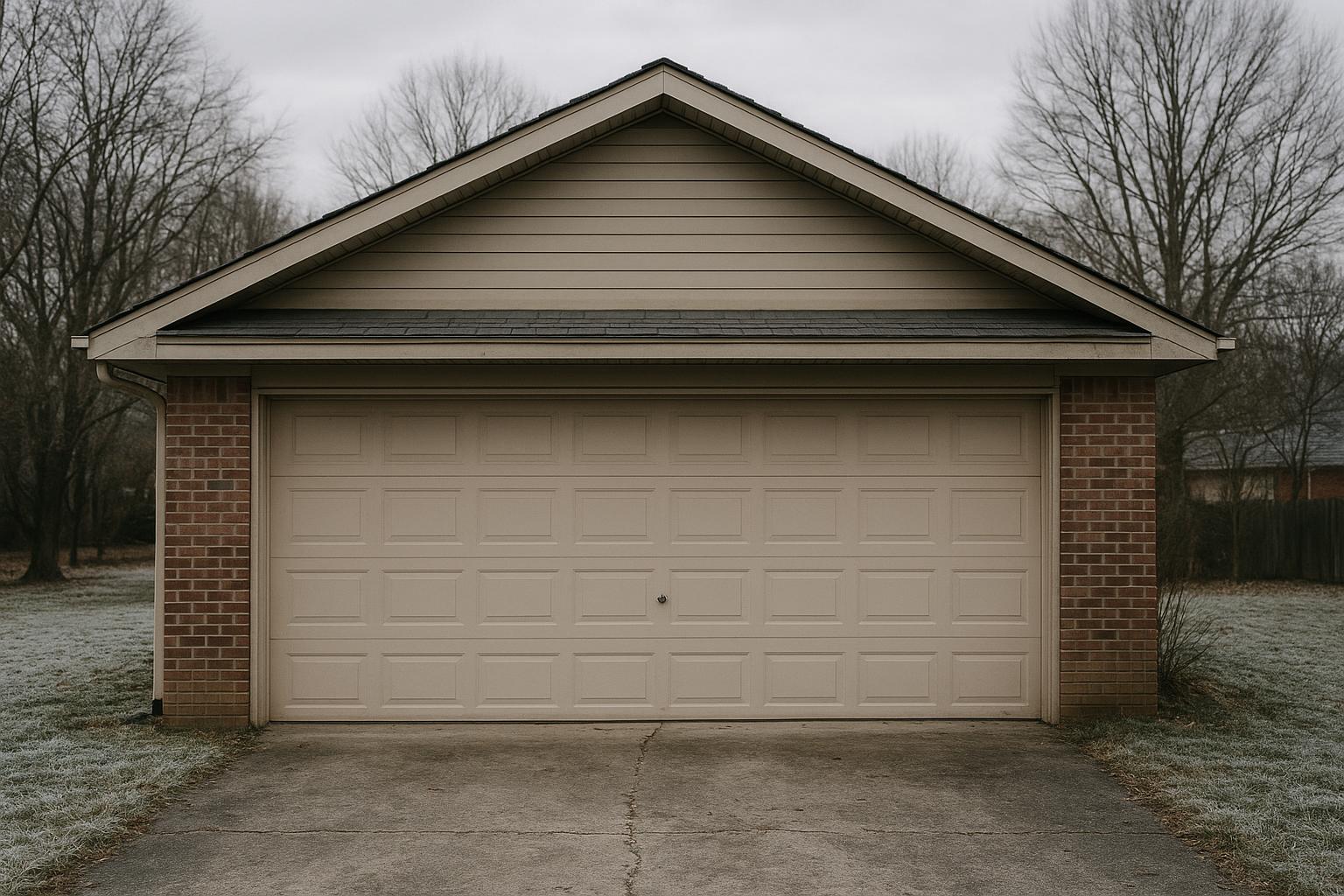
Why Winter Weather Matters for Your Garage Door
When temperatures drop across Middle Tennessee, most homeowners think about their furnace, their pipes, and their heating bills. But there's one major part of your home that often gets overlooked during winter prep: your garage door.
Your garage door is the largest moving part of your home, and it's directly exposed to the elements every single day. In Tullahoma, where winter temperatures can swing from the mid-40s down to the teens and low 20s — sometimes in the same week — that constant expansion and contraction puts real stress on your door's components. Cold weather affects metal springs, lubricant viscosity, weatherstripping flexibility, and even your garage door opener's performance.
The good news is that a little preventive care before the coldest months arrive can save you from unexpected breakdowns, higher energy bills, and expensive emergency repairs. Here's a practical guide to getting your garage door winter-ready.
Inspect and Replace Your Weatherstripping
The rubber weatherstripping along the bottom and sides of your garage door is your first line of defense against cold air, rain, and even pests looking for a warm place to hide. Over time, this material cracks, hardens, and pulls away from the door — especially after a hot Tennessee summer.
Take a close look at the seal along the bottom of your door. Close the garage door and check from inside: can you see daylight coming through? Do you feel a draft? If so, it's time to replace that weatherstripping.
- Bottom seal: This is the most common failure point. Look for cracks, gaps, or sections that have become brittle and stiff.
- Side and top seals: These are easy to overlook, but damaged side seals let in cold air and moisture that can affect anything you store in your garage.
Replacing weatherstripping is relatively affordable and makes a noticeable difference in keeping your garage — and the rooms above or beside it — warmer throughout the winter.
Lubricate All Moving Parts
Cold weather causes metal components to contract, which increases friction between moving parts. This is why many homeowners notice their garage door operating more slowly or loudly once winter arrives.
Before the cold sets in, apply a silicone-based or lithium-based garage door lubricant to the following components:
- Hinges
- Rollers (if they're metal, not nylon)
- Springs (both torsion and extension)
- Bearing plates
- The lock mechanism
Avoid using WD-40 as a lubricant — it's actually a solvent and degreaser, not a long-term lubricant. A proper garage door spray lubricant will protect your hardware and keep everything operating smoothly even on the coldest Tullahoma mornings.
Test Your Garage Door Balance
An unbalanced garage door forces your opener to work harder, which shortens its lifespan and increases the risk of a breakdown when you need your door most. Cold weather can make an already unbalanced door even more difficult to operate.
Here's a simple test you can do yourself:
- Disconnect your garage door opener by pulling the emergency release handle (usually a red cord hanging from the track).
- Manually lift the door halfway and let go.
- If the door stays in place, it's properly balanced. If it slides up or drops down, the springs likely need adjustment.
Important: Do not attempt to adjust garage door springs yourself. These components are under extreme tension and can cause serious injury. If your door fails the balance test, call a professional for a safe adjustment.
Check Your Garage Door Opener's Cold-Weather Performance
Garage door openers — especially older models — can struggle in cold weather. The grease inside the motor housing thickens, and the electrical components may respond more slowly. If your opener is more than 10-15 years old, winter is often when it finally gives out.
A few things to watch for:
- Slower operation: If your door takes noticeably longer to open or close, the opener may be straining against cold-stiffened components.
- Intermittent failure: If the opener works sometimes but not others, cold temperatures may be affecting the circuit board or the safety sensors.
- Battery backup: If your opener has a battery backup, test it before winter. Batteries lose capacity in cold weather, and you don't want to discover a dead backup during a power outage.
If your opener is showing signs of age, winter is actually a smart time to upgrade. Newer models are more energy-efficient, quieter, and come with features like smartphone connectivity and built-in battery backup systems.
Inspect the Door Panels and Hardware
Walk around your garage door and look closely at the panels themselves. Wooden doors are especially vulnerable to moisture damage in winter — water gets into small cracks, freezes, and expands, making the damage worse over time. Steel doors can develop rust spots where the finish has been scratched or chipped.
Also check:
- Cables: Look for fraying or visible wear. Damaged cables are a safety hazard and should be replaced immediately by a professional.
- Tracks: Make sure the tracks are clean and properly aligned. Debris or misalignment can cause the door to bind or come off track, which is more likely when cold weather stiffens the components.
- Hardware: Tighten any loose bolts or brackets. The vibration from daily use gradually loosens hardware over time.
Consider an Insulated Garage Door
If your garage is attached to your home — as many are here in Tullahoma and the surrounding communities like Manchester and Shelbyville — an uninsulated garage door can be a major source of heat loss. That means your HVAC system works harder and your energy bills go up.
Insulated garage doors feature polyurethane or polystyrene insulation sandwiched between the door panels. They help maintain a more stable temperature inside your garage, protect your vehicles and stored items from extreme cold, and can even reduce noise from the street.
If you're already thinking about replacing an aging door, upgrading to an insulated model before winter is one of the smartest investments you can make. It pays for itself over time through energy savings and added home value.
Schedule a Professional Winter Maintenance Visit
Even if you're handy around the house, there are parts of your garage door system that require professional tools and expertise to inspect properly. A trained technician can spot worn springs before they snap, identify opener issues before they leave you stranded, and make adjustments that keep your door running safely all winter.
At Tullahoma Garage Door, we recommend scheduling a maintenance visit in the fall — before the worst of the cold weather hits. We'll go through every component of your system, lubricate what needs it, tighten what's come loose, and let you know if anything needs attention before it becomes an emergency.
We serve homeowners across Tullahoma, Winchester, Lynchburg, Estill Springs, and the surrounding area, and we understand what Tennessee winters can do to garage door systems. A little prevention now goes a long way toward avoiding a frustrating — and expensive — breakdown on the coldest day of the year.
Don't Wait for a Breakdown
Winter garage door problems almost always start as small issues that could have been caught early. A cracked seal, a stiff spring, a sluggish opener — these are all warning signs that something bigger is coming. Taking an hour to winterize your garage door, or scheduling a professional tune-up, can save you time, money, and a lot of cold-weather frustration.
If you're not sure where your garage door stands heading into winter, give us a call. We'll take a look and make sure everything is ready for whatever Tennessee's winter has in store.